
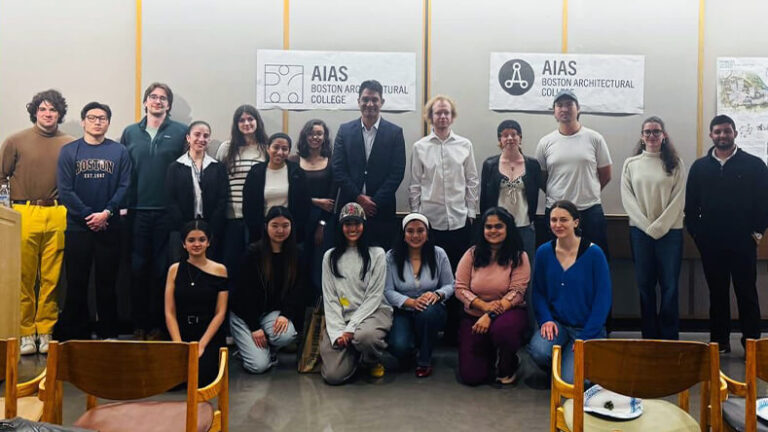
Architecture students are trained to design. Far fewer are taught how to run a project, build a client relationship, or sustain a business. Those were the gaps Pradeep Kapoor addressed in his lecture, “Business in Design,” a two-hour, discussion-based session delivered on April 17 at Boston Architectural College.
Organized by the college’s chapter of the American Institute of Architecture Students, the session also included a student exhibition, “Feedback Loop,” featuring project pin-ups and discussion.
Drawing from his own career progression, from designer in 2001 to CEO in 2024, Kapoor outlined what he wished he had understood earlier and how the role of an architect evolves over time. Early in his career, the focus was on honing design skills. As his responsibilities grew, the role expanded to include understanding project scope and fees, managing budgets and schedules, and navigating client expectations. At the leadership level, the emphasis shifted to building trust, winning repeat work, and driving the business forward.
The lecture focused on what is often not taught in architecture school: how projects are funded, that clients are buying a project rather than just a design, and why a well-designed project can still be a poor business decision. Kapoor emphasized the importance of clearly explaining budget, schedule and risk, and the role architects play in keeping projects viable so they can ultimately be built.
Additional topics included fee writing, negotiation, business writing, marketing and business development, and how firms pursue work through RFPs and RFQs. Kapoor also addressed how architects evaluate project profitability, from steady, reliable work to projects that may offer visibility but limited financial return.
“Design is essential, but it is only one part of the process,” Kapoor said. “The ability to manage the business side is what allows projects to move forward and ultimately get built.”
A central theme was that creativity is not enough unless a project can be financed, approved, and delivered and that understanding funding sources, public processes and client priorities is critical to keeping projects viable.
“Business is how a design enterprise executes, not merely on a single project, but in building an enduring organization that is mission-driven and sustainable over decades and beyond,” said Dr. Mahesh Daas, DPACSA, President, Boston Architectural College. “The real magic of building, running, and aligning design organizations lies in the design of the business itself. That is why this conversation matters so much for our students. I’m so grateful that Pradeep Kapoor is kindly sharing his inspiring leadership experience to guide the next generation.”
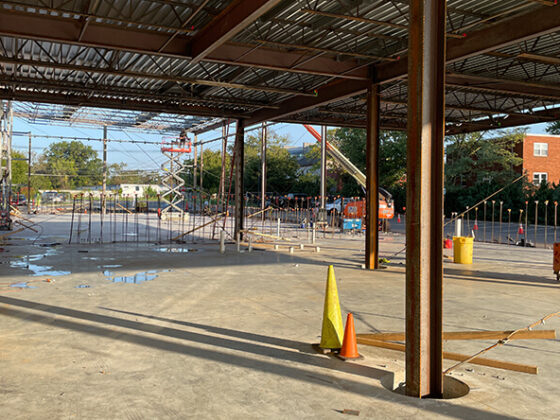
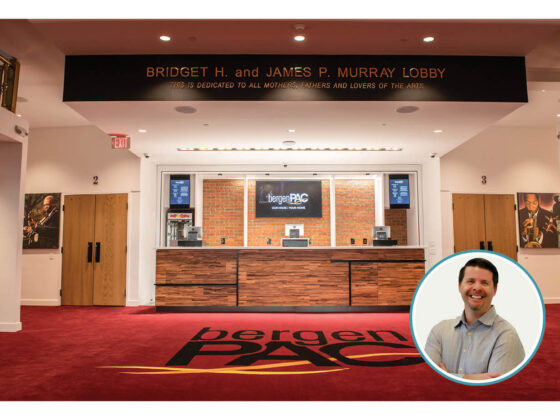
The session included case studies and examples from DMR’s portfolio, along with an interactive discussion of student work, offering a practical look at how design and business intersect in the real world.